

Hey there, illusion lovers! If you’ve been scrolling through social media lately, you might have noticed something nostalgic popping up: Magic Eye stereograms—those colorful, seemingly random patterns that reveal hidden 3D images when you stare just right. These optical illusions were everywhere in the 1990s, but they’re surging back in popularity in 2025, thanks to retro vibes, new weekly challenges, and a fresh wave of creators sharing mind-bending designs.
What Exactly Are Stereograms?
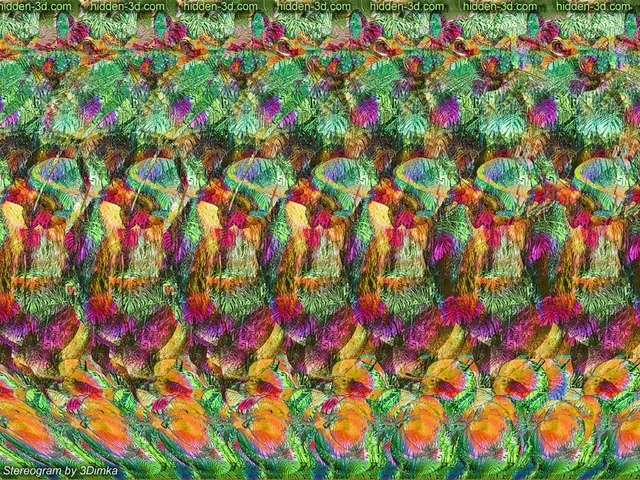
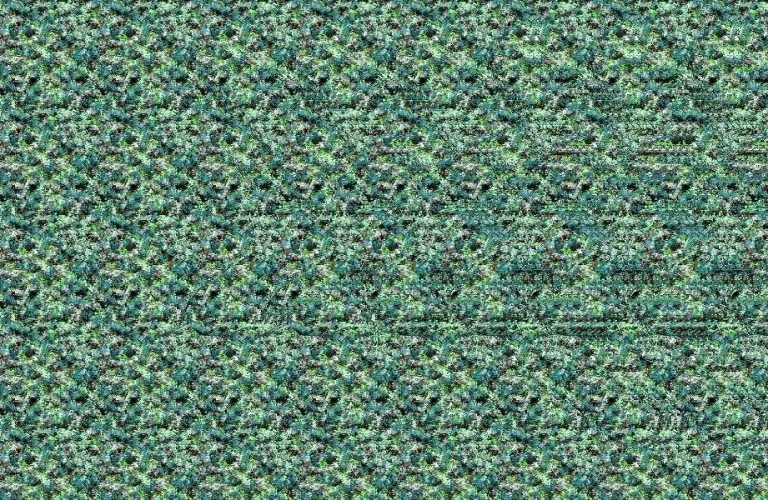
Stereograms, also known as autostereograms or Magic Eye pictures, are 2D images that trick your brain into seeing 3D depth. The magic happens through binocular disparity—your eyes see slightly different patterns, and your brain combines them to create the illusion of a floating object. No special glasses needed! Just relax your focus (or cross your eyes slightly for some versions), and a hidden shape—like a dolphin, spaceship, or dragon—pops out.
The technique dates back to the 1950s with random-dot stereograms invented by psychologist Bela Julesz to study depth perception. But they exploded in the ’90s thanks to the Magic Eye book series by Tom Baccei and team, which sold millions and turned them into a cultural phenomenon.
Why Are They Trending in 2025?
In 2025, stereograms are everywhere again. Websites like The Magic Eye 3D post weekly challenges with reveals of hidden images, and social media is full of users sharing their “aha!” moments. Nostalgia plays a big role—people who grew up with them are rediscovering the fun, while younger folks are hooked on the brain-training aspect.
Plus, modern twists like animated stereograms and AI-generated ones are making them even more viral. As one expert explains, these illusions highlight how our brains construct reality from visual cues, and they’re a fun way to explore perception.
How to See Them: Quick Tips
- Wall-eyed method: Relax your eyes and stare “through” the image until patterns align.
- Cross-eyed method: Cross your eyes slightly to bring repeating elements together.
- Practice with simpler ones first—some people (about 5-10%) struggle due to vision conditions like astigmatism.
Fun Facts and Science Behind It
Studies show mastering stereograms correlates with strong stereoacuity (depth perception). They even help understand vision disorders. For more, check out this Wikipedia entry on autostereograms or this PMC study linking Magic Eye skill to depth perception.

Wrapping It Up
Stereograms aren’t just pretty pictures—they’re a reminder of how flexible our brains are. Whether you’re reliving the ’90s or trying them for the first time, they’re a perfect blend of art and science.
What hidden image pops out for you first? Share in the comments—I’d love to hear!

