

Have you ever looked at a picture and suddenly noticed a hidden 3D image pop out of it? That’s a stereogram! These fun visual puzzles are a great way to challenge your eyes and brain while having fun. And guess what? Kids love them too! In this article, we’ll explore the amazing world of stereograms and share some tips and easy images that are perfect for beginners—especially children who are just starting out.
What Are Stereograms?
Stereograms are two-dimensional images designed to reveal a hidden 3D picture when viewed a special way. Also called “Magic Eye pictures,” stereograms use repeating patterns and depth perception tricks to create the illusion of 3D shapes floating inside a flat image.
To see a stereogram’s hidden image, you don’t need any special glasses. Instead, you simply relax your eyes and look through the image until the 3D picture appears. It may take a little practice, but once your eyes get used to it, it’s like unlocking a secret code!

Benefits of Stereograms for Kids
Besides being fun, stereograms also offer developmental benefits for children. Here are a few reasons why stereograms are great for kids:
- Improves focus and concentration: Viewing stereograms requires children to slow down and really use their eyes, encouraging mindfulness.
- Enhances visual perception: Stereograms help children practice depth perception and coordination between both eyes.
- Boosts confidence: The smile on a child’s face when they finally “see” the hidden image is priceless!
- Provides screen-free entertainment: Stereograms can be printed or viewed offline, offering visual fun without digital overexposure.
How to Teach Kids to View Stereograms
If your child is new to stereograms, don’t worry! With a little patience and these simple steps, they’ll be spotting secret 3D images in no time:
- Hold the stereogram picture close to the nose – nearly touching it.
- Ask the child to look “through” the image, not directly at it (like looking past or behind the page).
- Slowly move the image away from the face while keeping the same relaxed focus.
- Encourage the child to stay relaxed, and let their eyes find the image on their own.
- Once they see the image, they’ll know it — and they won’t want to stop!
Tip: Starting with simple or high-contrast stereograms makes it easier for kids to see the effect.
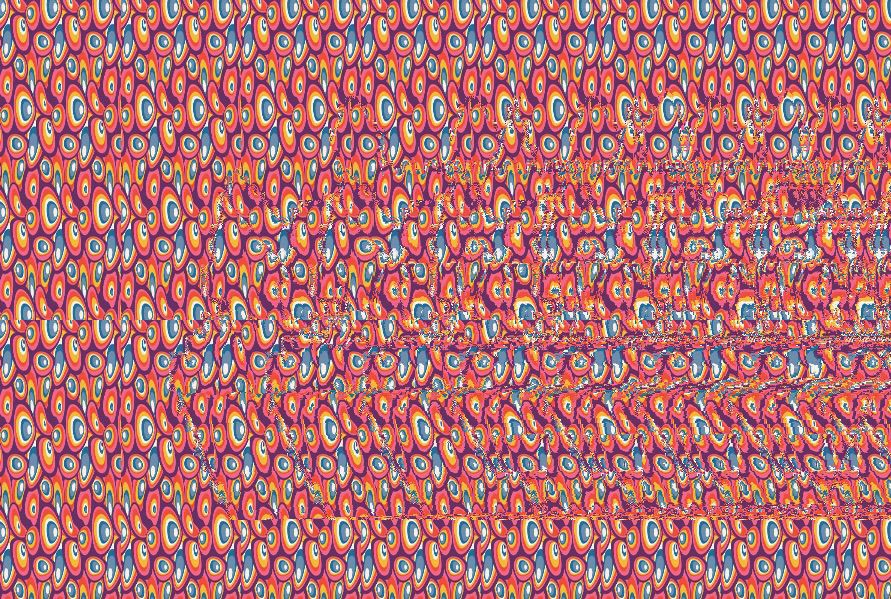
Image source: Wikimedia Commons
Best Beginner Stereograms for Children
When introducing stereograms to kids, it’s best to start with simple and fun designs. Here are a few types of images that work great for beginners:
1. Animal Stereograms
Images that hide fun animals like dolphins, fish, or dinosaurs are a big hit with children. The hidden shapes are easily recognizable and exciting to find.
2. Shapes and Letters
Stereograms that reveal hearts, stars, or letters are fantastic for reinforcing basic learning concepts in a playful way.
3. Themed Stereograms
Look for stereograms with seasonal or holiday themes—such as Easter eggs, pumpkins, or snowflakes. These can make holidays even more fun!
Where to Find Easy Stereograms
You can find free and printable stereogram images for kids on various educational websites and photography blogs. Here are a few trustworthy sources:
- The Magic Eye 3d : One of the original creators of stereogram books.
- Eye Tricks: Browse a collection of easy stereograms online.
- Wikimedia Commons: Search for stereograms with a Creative Commons license for free use.
Tips for Making Your Own Kid-Friendly Stereograms
Feeling creative? You and your child can try making your own stereogram images using online generators. This is a fun project that combines photography, design, and technology. Here are a few tips for getting started:
- Use large, simple shapes with bold outlines.
- Choose bright and contrasting background patterns.
- Keep it visually simple – avoid cluttered or overly complex designs.
Some free stereogram makers to try:
- Hidden Image Online
- SIRDS.com – Generates stereograms from 3D inputs
Conclusion: Making Visual Fun Part of Learning
Stereograms for kids are more than just visual puzzles—they’re an exciting way to boost visual development and introduce kids to optical illusions. Starting with easy pictures allows children to learn how to view them successfully, making it a fun and satisfying experience. From printing them out to designing your own, these eye-bending images are great for family playtime, classrooms, or rainy day fun.
Remember, some kids may spot them instantly, while others need more time and practice. Either way, enjoy the journey—and don’t forget to have fun seeing the invisible!


Loved this piece