A Short History of Stereograms: From Victorian Viewers to the 1990s Craze
Stereograms didn't start with 90s posters. The story goes back almost 200 years, from Victorian scientists to computer-generated random dots.
For many people, stereograms mean one thing: those colourful "hidden picture" posters and books from the 1990s. But the ideas behind them are much older, and the story involves scientists, Victorian living rooms and early computers.
1830s: The first stereoscope
In 1838, the English scientist Charles Wheatstone described how our two eyes see slightly different views and how the brain merges them into depth. To prove it, he built the stereoscope, a device that showed each eye a different drawing so the pair combined into a single 3D image.
Victorian 3D photos
Once photography arrived, stereoscopes became hugely popular. Families collected stereo cards, two nearly identical photos side by side, and viewed them through handheld viewers. For many Victorians, it was the closest thing to travelling the world from their armchair.
The "wallpaper effect"
In the 1840s, the Scottish scientist David Brewster noticed something odd: when staring at repeating wallpaper patterns, the pattern could seem to float in front of or behind the wall. This "wallpaper effect" is the same principle that single-image stereograms use today.
1959–1960: Random dots
Béla Julesz, a researcher at Bell Labs, used computers to create pairs of images filled with random dots. Neither image showed anything on its own, but viewed together in a stereoscope, a hidden shape appeared. This proved that the brain can calculate depth before recognising any object, and it became a landmark discovery in vision science.
1979: One image is enough
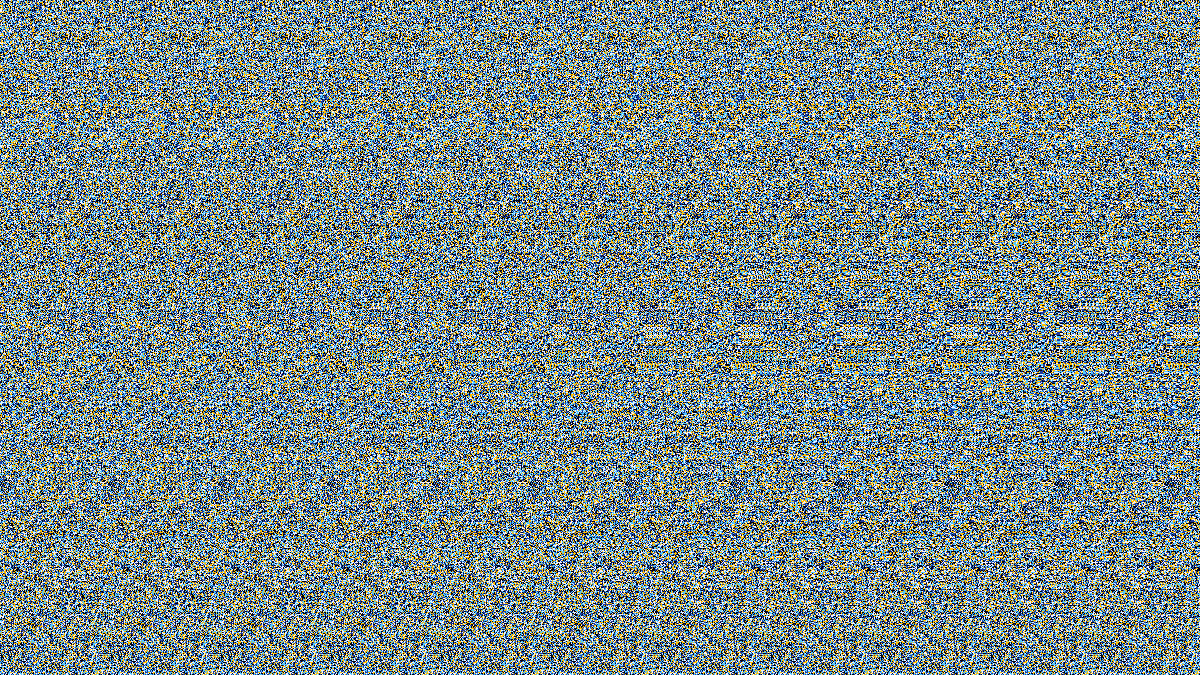
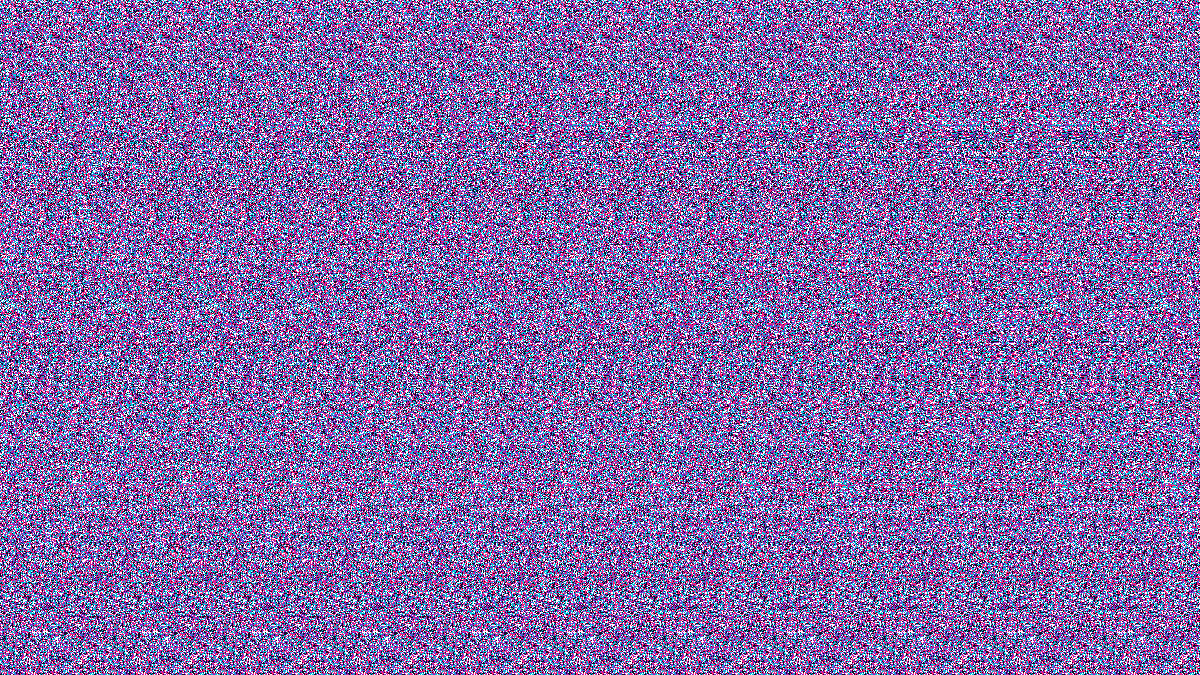
Vision scientist Christopher Tyler and programmer Maureen Clarke combined Julesz's random dots with Brewster's wallpaper effect to create the single-image random-dot stereogram. No viewer was needed, just your eyes.
The 1990s craze
In the early 1990s, colourful computer-made stereograms exploded into popular culture. Hidden-picture books topped bestseller lists, posters filled shopping malls, and people everywhere stood staring at walls trying to "see it". It was one of the decade's biggest visual fads.
Today
Stereograms never really went away. Today anyone can generate them with free software, and they're still used in vision research, art and, of course, as a fun brain challenge. That's what this site is all about.
Hidden word: EYE. New to stereograms? Start with our beginner's guide.
Comments ()