Parallel vs Cross-Eyed Viewing: Which Stereogram Method Is Right for You?
There are two ways to see a stereogram, and they show you opposite results. Here's how each works and how to tell which one you're doing.
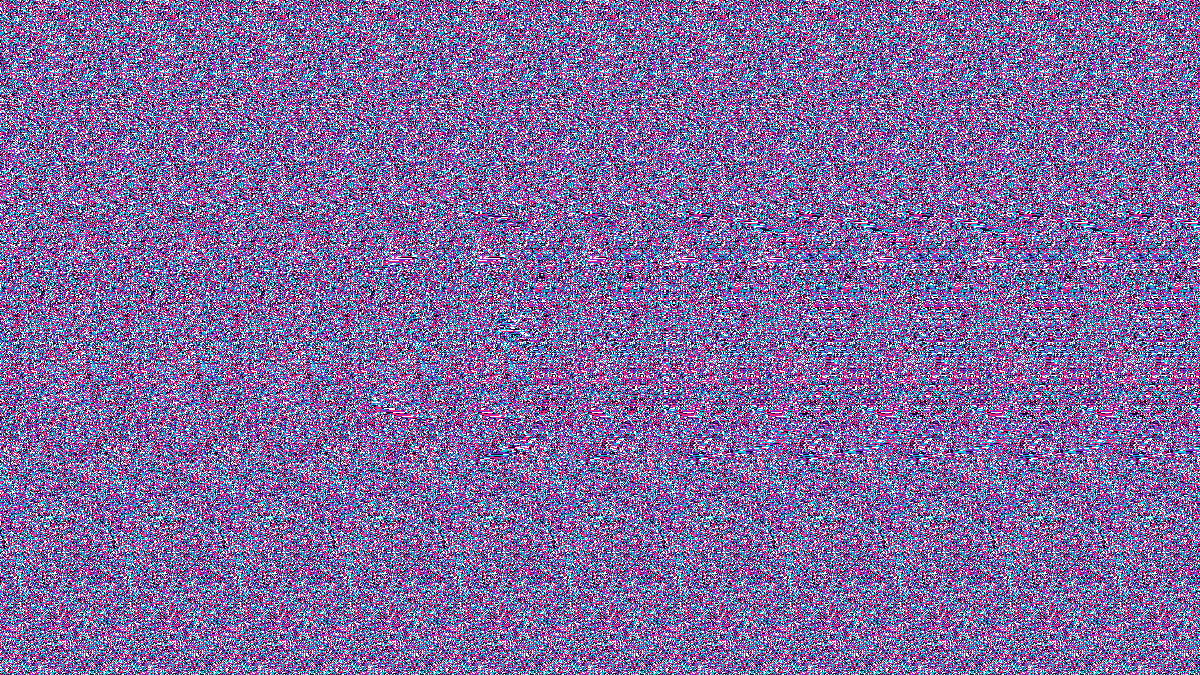
There are two ways to view a stereogram: parallel (also called wall-eyed) and cross-eyed. Both work, but they give opposite results, and most images are designed for just one of them.
Parallel (wall-eyed) viewing
You relax your eyes and look through the image, as if staring at something far behind it. Each eye's line of sight moves outward, closer to parallel.
- Feels like: daydreaming or "zoning out".
- Result: the hidden shape pops out toward you, as the designer intended.
- Best for: most classic stereogram posters and books, including everything on this site.
Cross-eyed viewing
You cross your eyes slightly, as if looking at a point in front of the screen. A good trick: hold a fingertip between your face and the screen and look at it, then slowly move it until the image behind it lines up.
- Feels like: mild, deliberate cross-eyes.
- Result: on an image made for parallel viewing, depth is reversed. The shape looks sunken into the background instead of floating out.
- Best for: images made specifically for cross-eyed viewing, and side-by-side 3D photo pairs.
How to tell which method you're using
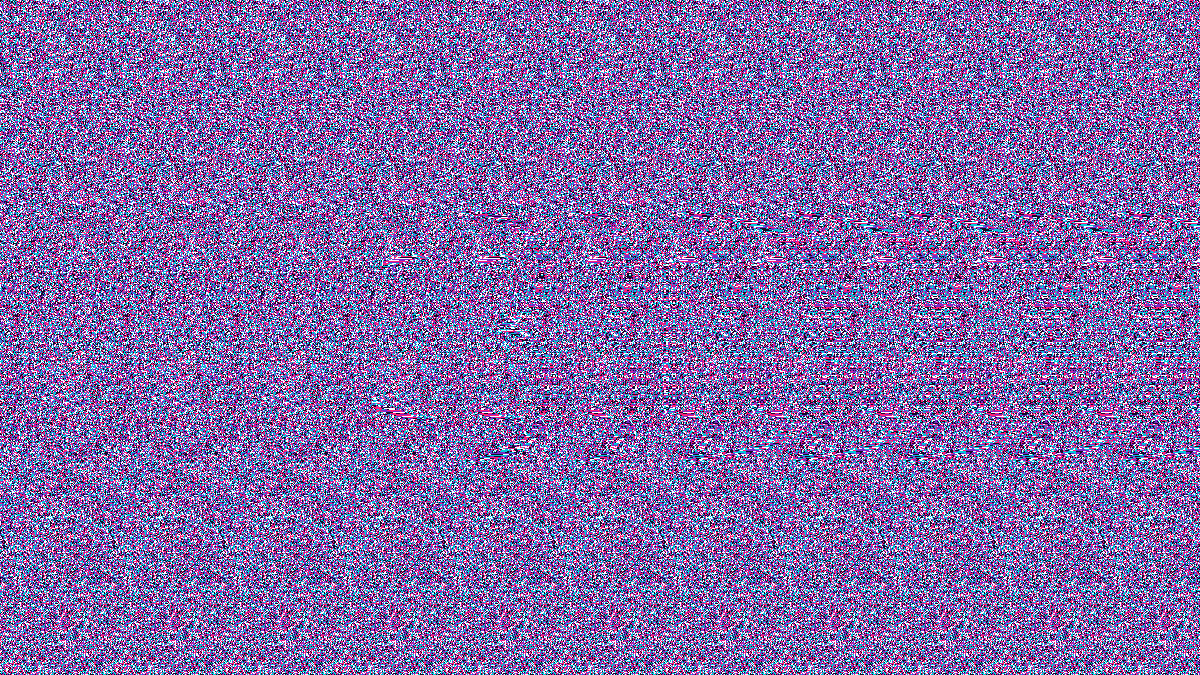
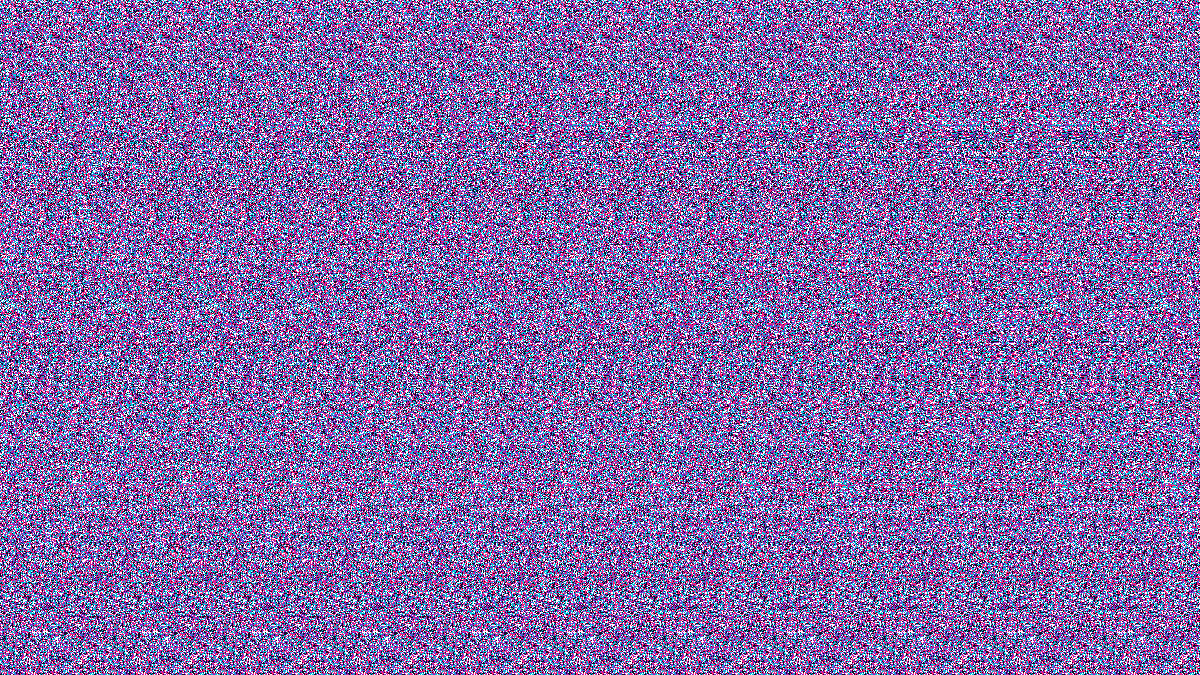
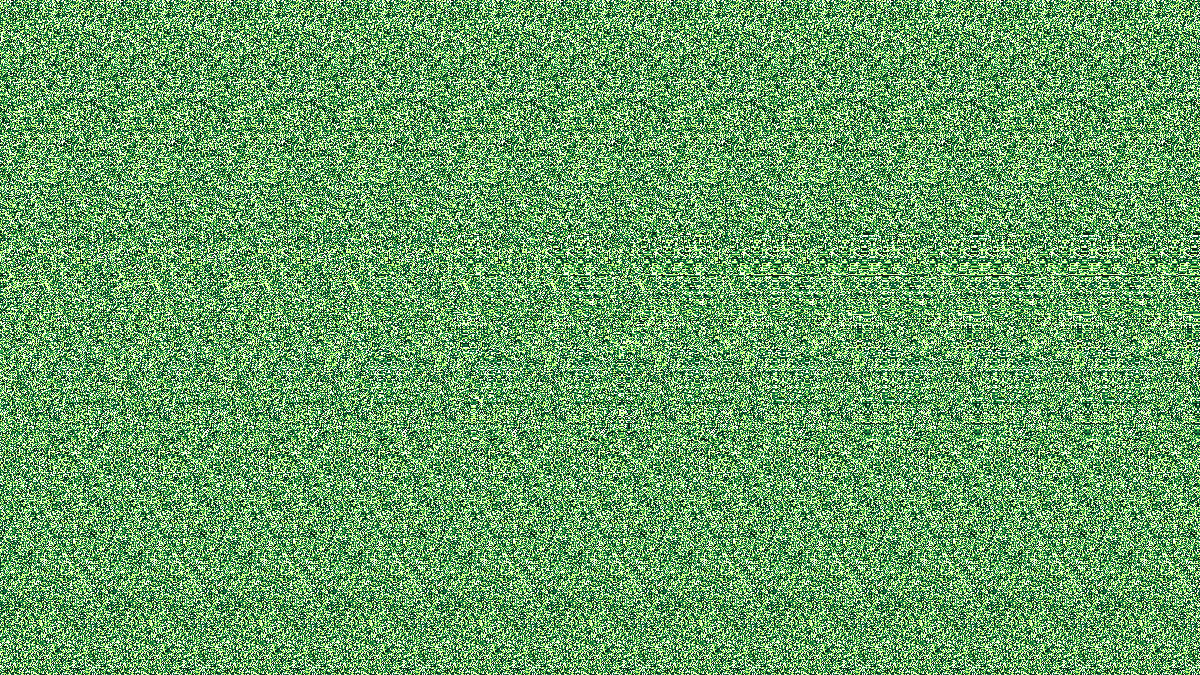
Look at the image above. It hides a short word.
- If the letters float out toward you, you're viewing parallel.
- If the letters look carved into the background, you're viewing cross-eyed.
Both count as "seeing" it! But if you want the intended effect, practise the parallel method.
Which is easier?
It depends on the person. Many people find cross-eyed viewing easier to start because it's easier to control on purpose. Parallel viewing feels harder at first but is more relaxing once you've learned it, and it's what most stereograms are made for.
Try both and tell us in the comments which one works for you. (The hidden word is 3D.)
Comments ()