The Science Behind Stereograms: How Your Brain Builds 3D From Flat Dots
Why does a flat pattern of random dots suddenly turn into a floating 3D shape? It's all about how your two eyes and your brain work together.
When a stereogram "pops", it can feel like magic. But it's actually a clever trick that uses one of the most impressive things your brain does every second of the day: turning two flat pictures into one 3D world.
Two eyes, two slightly different pictures
Your eyes sit a few centimetres apart, so each one sees the world from a slightly different angle. Hold a finger up in front of your face and close one eye, then the other. Your finger seems to jump left and right against the background.
That difference between the two views is called binocular disparity. Your brain compares the two images, measures how far each object shifts between them, and uses that to work out depth. Objects that shift a lot are close; objects that barely shift are far away. This process is called stereopsis.
How a stereogram hacks the system
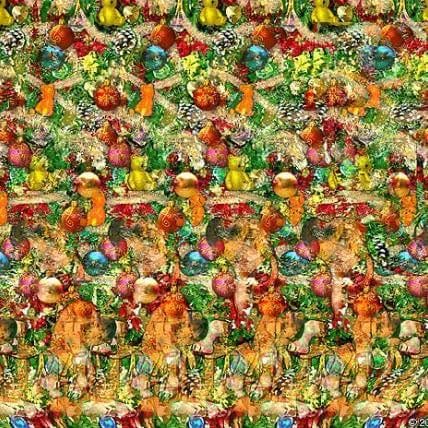
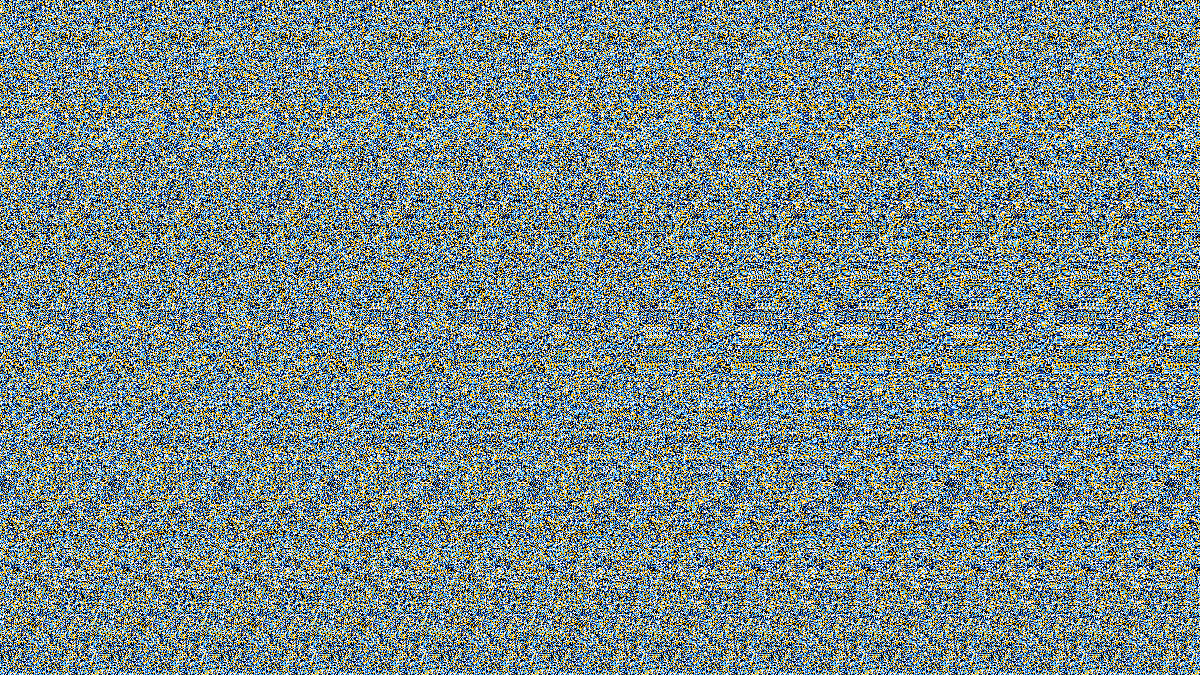
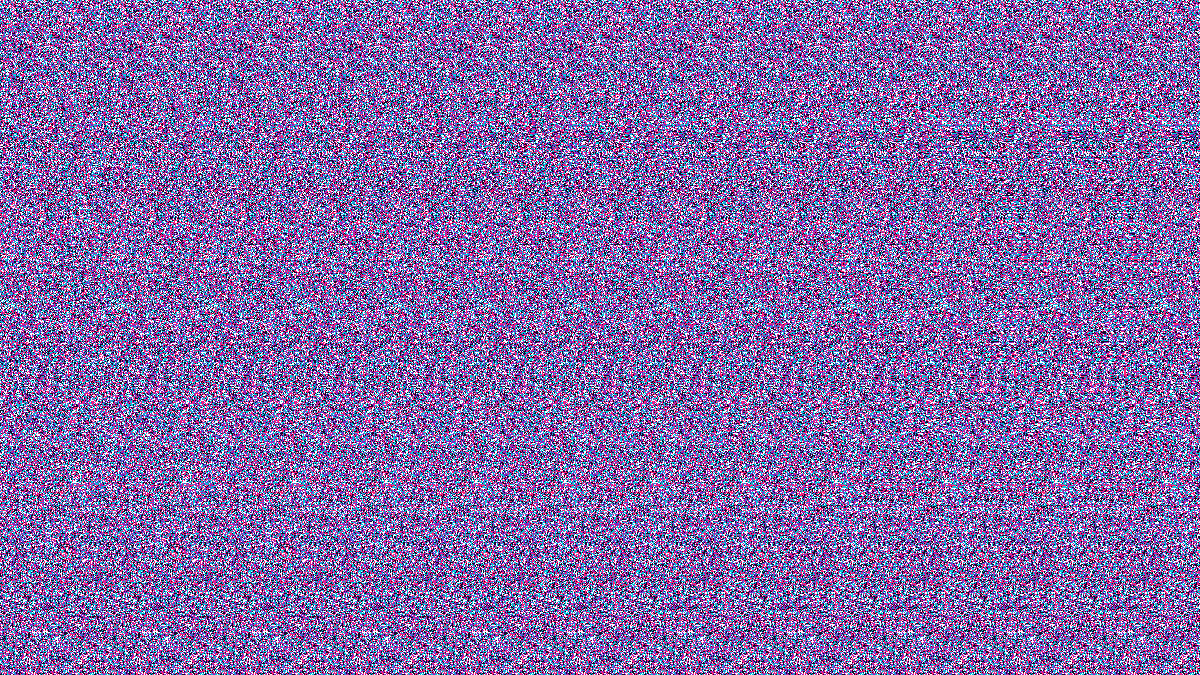
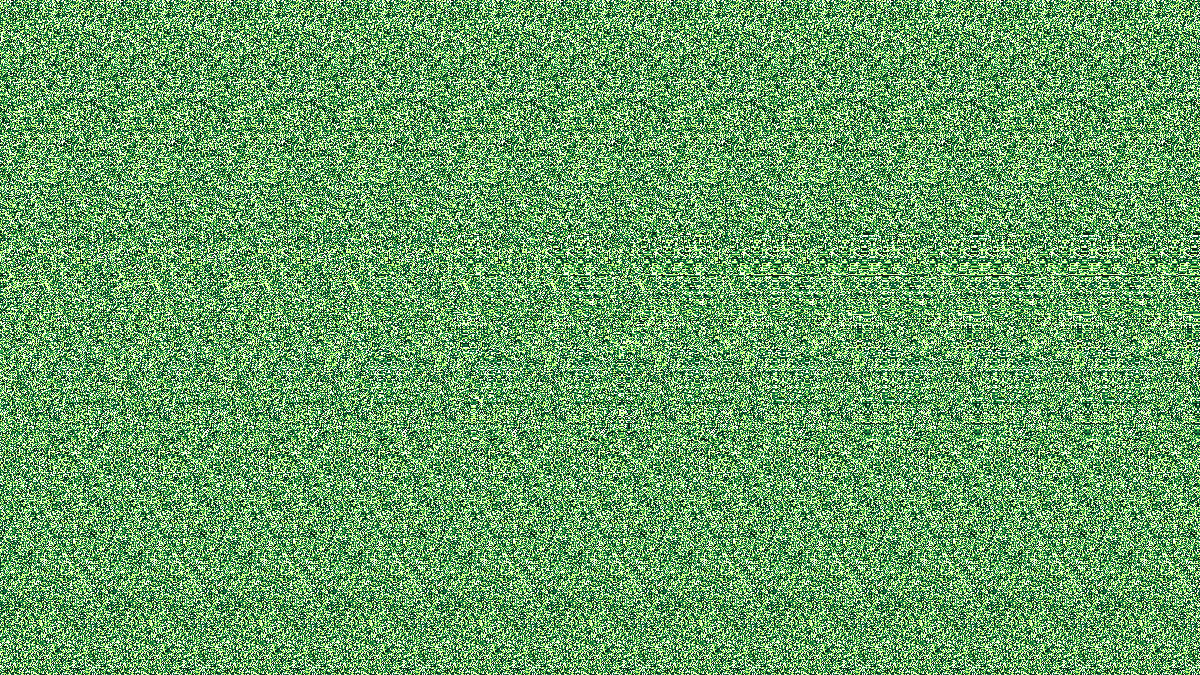
A single-image stereogram (also called an autostereogram) is built from a pattern that repeats across the image in narrow vertical strips. When you look "through" the image, each eye ends up looking at a different strip, and your brain lines them up as if they were the same thing.
Here's the trick: the artist (or the computer) slightly changes how far apart the repeats are in different areas.
- Where the repeats are a little closer together, your brain thinks that part of the surface is nearer to you.
- Where they're further apart, it reads that area as further away.
Your brain doesn't know it's being fooled. It just does what it always does: matches the two views, calculates the disparity, and builds a 3D shape.
Why random dots work so well
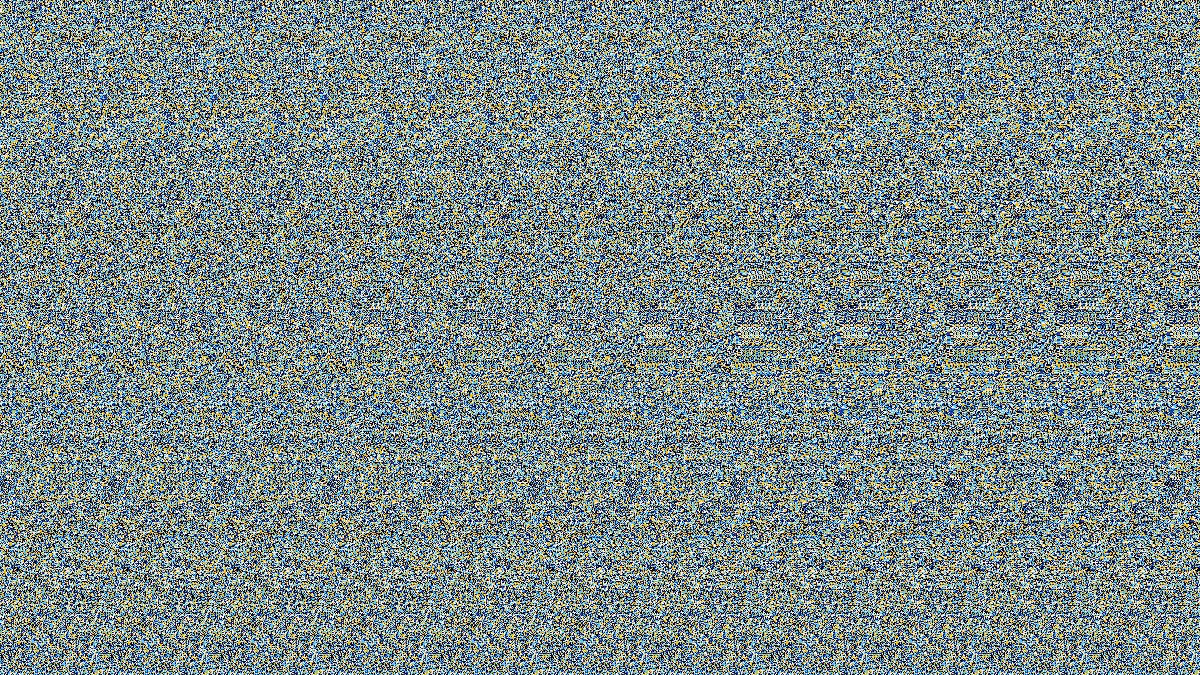
You might think the hidden shape needs outlines or shading to be seen. It doesn't. In the 1960s, scientists showed that people could see 3D shapes in pairs of images made of nothing but random dots, with no visible outline at all. That proved the brain can calculate depth before it recognises any objects.
That's why the best stereograms look like pure noise until they suddenly snap into 3D: there's nothing for your eyes to see in either flat picture alone. The shape only exists in your brain, once it combines both views.
Why it feels hard at first
Normally, your eyes do two things together: they aim at the same point (convergence) and they focus at that distance (accommodation). Viewing a stereogram means separating those two: aiming as if at something far away, while still focusing on the screen in front of you. Most people have never had to do that on purpose, which is why it takes a little practice.
The good news: once your brain learns the trick, it remembers it.
New here? Start with our beginner's guide to seeing stereograms.
Comments ()